Skip to content


Table of Contents
Chronic muscle pain can limit how you move, train, and live. This is especially true when tight or overworked muscles continue to drive discomfort beneath the surface.
Dry needling targets the source of muscle dysfunction to relieve tension, improve mobility, and support faster recovery than simply covering up symptoms. When performed by experienced medical professionals, this advanced technique helps restore healthy muscle function so patients can move with less pain and greater confidence.
Understanding Dry Needling at a Clinical Level
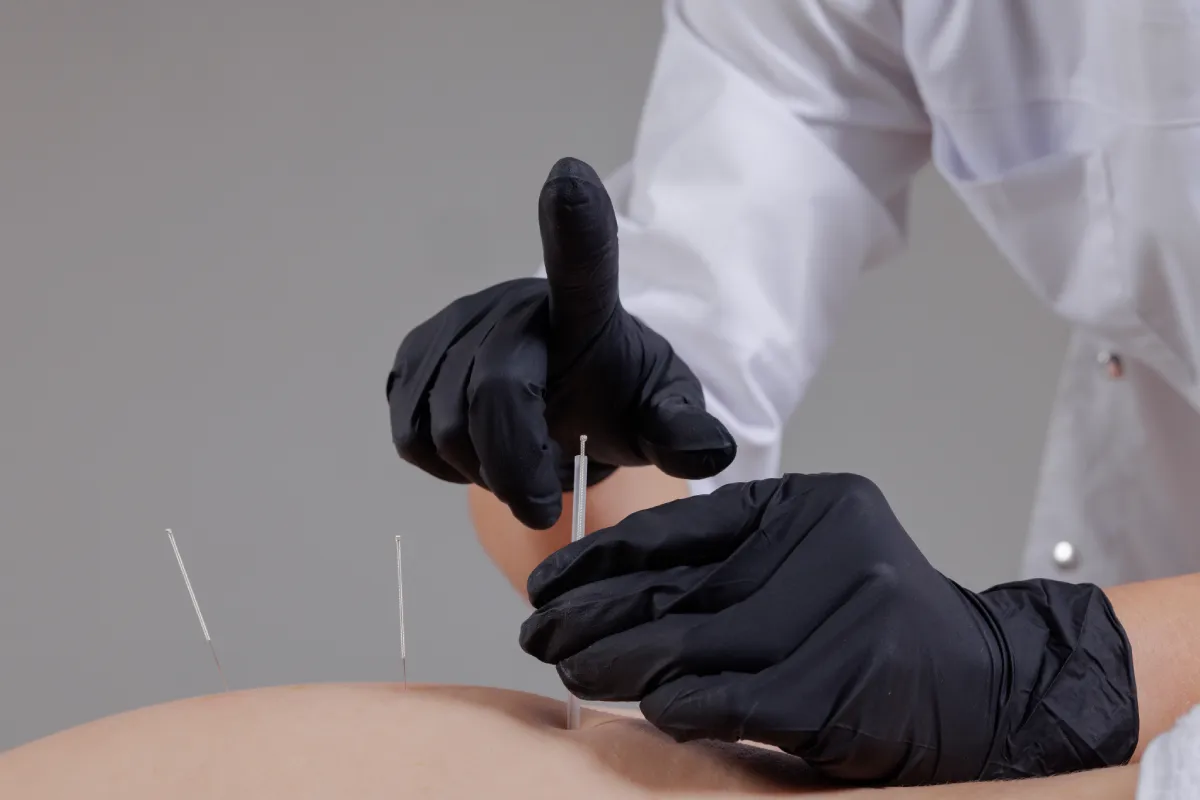
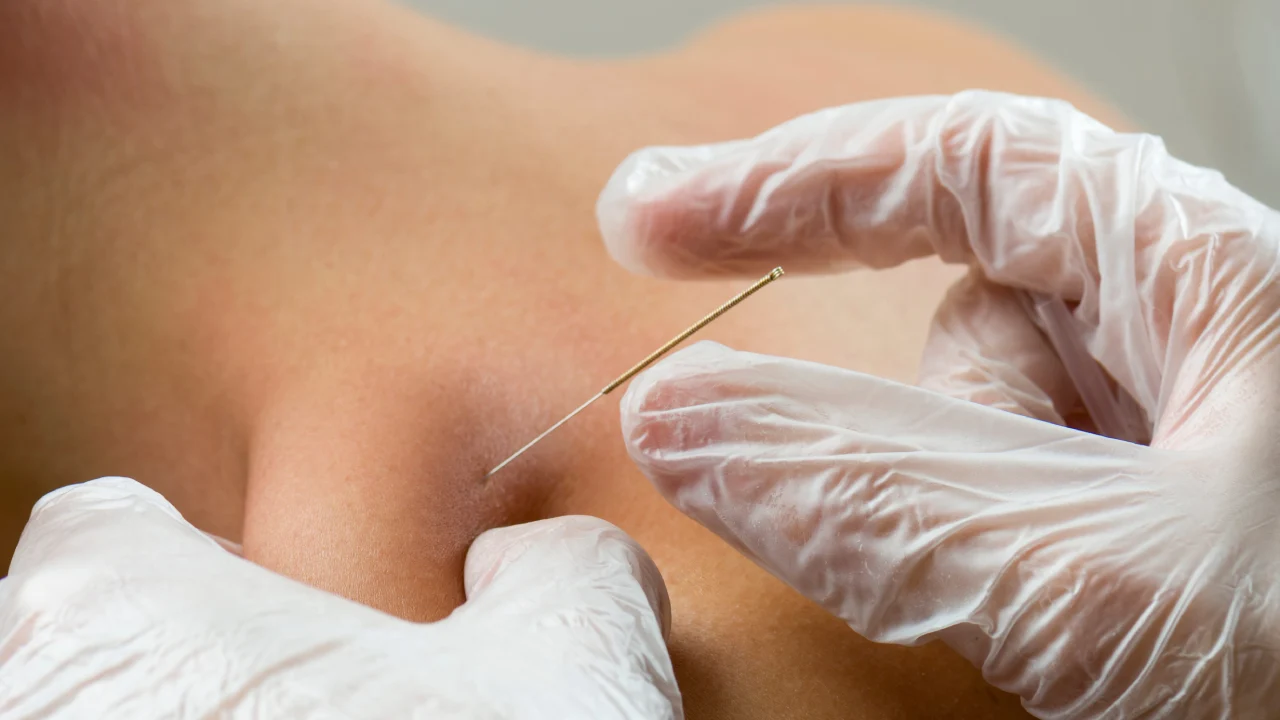
Dry needling is a special therapeutic technique that uses a thin, sterile filament needle. The latter can target dysfunctional muscle tissue.
Unlike injection-based treatments, nothing is delivered into the body. The therapeutic effect comes from the mechanical and neurological response. This is created when the needle interacts with tight or irritated muscle fibers.
Muscles that remain contracted for extended periods can develop localized areas of tension. Left on their own, they can disrupt normal function. These areas may reduce circulation, alter nerve signaling, and limit the range of motion.
Dry needling for trigger points focuses on releasing these tight bands to help muscles return to a healthier resting state.
This technique is grounded in anatomy, biomechanics, and neuromuscular science. Treatment decisions are based on movement assessments, symptom patterns, and functional limitations rather than generalized protocols.
How Dry Needling Works Within the Muscle and Nervous System
When a needle is inserted into a tight muscle, it produces a precise stimulus. This prompts the tissue to respond. In many cases, the muscle produces a brief contraction followed by relaxation. Such a response interrupts the cycle of tension that often perpetuates pain and stiffness.
Dry needling also influences the nervous system beyond the mechanical effect. Tight muscles often send persistent pain signals to the brain. By altering sensory input at the source, the technique can reduce abnormal nerve signaling and help normalize muscle activation patterns.
After treatment, improved blood flow often follows, allowing oxygen and nutrients to reach tissues that were previously restricted. These combined effects support healing and improved movement quality, most especially when dry needling is integrated into a structured rehabilitation plan.
The Role of Dry Needling in Pain Management
Muscle dysfunction is a common contributor to pain in the neck, shoulders, back, and hips. In many cases, imaging studies often show minimal structural damage; however, symptoms persist due to neuromuscular imbalance. Dry needling for back pain is frequently used to address muscle tightness that puts stress on the spine and surrounding joints.
Pain patterns often extend beyond the original source of pain. Tight muscles can refer discomfort to other areas, which creates misleading symptoms. Targeting the affected tissue directly helps reduce both localized pain and referred sensations.
This approach is different from Acupuncture for pain relief, which is rooted in traditional energy-based concepts. Dry needling focuses specifically on nerve response, muscle function, and biomechanical correction.
Dry Needling for Rehabilitation and Functional Recovery
Rehabilitation aims to restore strength, movement, and coordination after injury or surgery. Muscles that remain inhibited or overly tight can delay progress and increase the risk of reinjury. Dry needling for rehabilitation helps reset muscle activity so patients can engage more effectively in corrective exercises.
Athletes, active individuals, and patients recovering from trauma often benefit from targeted muscle release as part of a comprehensive treatment strategy. When combined with physical therapy, strength training, and movement training
What Patients Commonly Experience During Treatment
Sensations during dry needling may vary based on the area treated and individual sensitivity.
Some patients report minimal discomfort, while others notice a brief deep ache or muscle twitch when the needle reaches a tight area. These responses are typically short-lived and indicate that the targeted tissue is reacting as expected.
Post-treatment soreness is possible. It may often resemble the sensation experienced after unfamiliar physical activity. This usually resolves within one to two days. Many patients report increased mobility, reduced tension, or improved comfort shortly after treatment.
Clear communication between the provider and patient is essential to ensure comfort and appropriate treatment intensity throughout the session.
Safety and Clinical Standards
When performed by trained medical professionals, dry needling is considered a safe intervention. Proper anatomical knowledge, sterile technique, and patient screening are essential components of responsible care.
Patients should inform their provider of any medical conditions, medications, or concerns prior to treatment. Individualized assessment ensures that dry needling is appropriate and integrated effectively into the overall care plan.
Who May Benefit From Dry Needling
Dry needling may benefit individuals experiencing persistent muscle tightness, restricted mobility, or pain. Each has not resolved with rest alone. Dry needling for tight muscles is commonly applied to patients who notice stiffness that limits daily activities or exercise performance.
Those recovering from injury, managing chronic pain, or working to improve functional movement often see the greatest benefit when dry needling is combined with active rehabilitation strategies.
A thorough evaluation can help determine whether dry needling aligns with a patient’s goals and physical needs.
Total Musculoskeletal Care Dry Needling IN Boca Raton, FL
Patients seeking dry needling IN Boca Raton FL, can find specialized care at Total Musculoskeletal Care under the leadership of Dr. Uday Mathur. His background reflects a deep commitment to rehabilitation medicine, sports performance, and non-operative orthopedic care.
Dr. Mathur earned his Medical Doctorate from St. George’s University School of Medicine and completed his Physical Medicine and Rehabilitation residency at Memorial Hospital in Hollywood, Florida. He later pursued advanced fellowship training in Sports Medicine at Bayfront Hospital in St. Petersburg.
At Total Musculoskeletal Care, Professional dry needling therapy is applied with precision and purpose. Treatment plans are designed to address pain, restore movement, and support long-term function. Dr. Mathur works with a wide range of patients, from high-level athletes to individuals seeking relief from daily discomfort at home. At Total Musculoskeletal Care, professional dry needling therapy is applied with precision and purpose. Treatment plans are designed to address pain, restore movement, and support long-term function. Dr. Mathur works with a wide range of patients, from high-level athletes to individuals seeking relief from daily discomfort at home. Book your dry needling therapy today and start moving pain-free.
Frequently Asked Questions
Is dry needling painful?
Most patients experience only mild discomfort, often described as brief pressure or a short muscle twitch that fades quickly.
How many dry needling sessions are typically needed?
The number of sessions varies based on the condition being treated, but many patients notice improvement within a few visits when combined with a structured care plan.
Can dry needling help with chronic back pain?
Yes, dry needling is commonly used to relieve muscle-related back pain by reducing tension and improving movement patterns.
Is dry needling the same as acupuncture?
No, dry needling is based on modern anatomy and neuromuscular science, while acupuncture follows traditional Chinese medicine principles.