Skip to content


Table of Contents
During summer, people tend to move more, work out longer, and stay more active. Many push themselves harder with sports or outdoor exercise. Unfortunately, this is also when muscle strains are most likely to happen, turning a quick pull or tightness into lasting discomfort.
If your muscle pain is not getting better, it is natural to look for faster ways to recover. At Total Musculo Skeletal Care, we often help people with ongoing soreness or tightness that makes staying active difficult. Dry needling is one option we recommend, especially for athletes and active people.
Can dry needling help you recover from a muscle strain faster? Yes, it can. Dry needling works by releasing tight muscle bands, improving blood flow, and helping your muscle return to normal function when used at the right time during healing.
What Causes Muscle Strain During Summer Sports
Muscle strains often happen when you suddenly increase your activity or push your body beyond what it is used to. In summer, heat and longer workouts add extra stress to your muscles.
Common causes include:
- Overuse from repetitive movement or extended play
- Sudden acceleration, sprinting, or quick directional changes
- Skipping proper warm-ups or stretching
- Fatigue that affects muscle control
The most commonly affected areas tend to be the hamstrings, calves, and shoulders. Some strains are mild and feel like tightness, while others involve more noticeable pain and limited movement.
Understanding how the strain happened helps guide the right non-surgical treatment for muscle strain, especially when the goal is to recover efficiently.
Why Muscle Strains Can Take Time To Heal
When a muscle is strained, small fibers tear and need time to repair. This process is not always quick, especially if tension and inflammation remain in the area.
One of the main reasons recovery slows down is persistent muscle tightness. Even as healing begins, tight bands within the muscle can restrict movement and reduce blood flow.
This can lead to:
- Ongoing stiffness that does not fully resolve
- Pain when returning to activity
- A cycle of reinjury if the muscle never fully relaxes
This is where treatments that target muscle tension directly, such as Dry Needling, can play a role in improving recovery.
How Dry Needling Works For Muscle Recovery
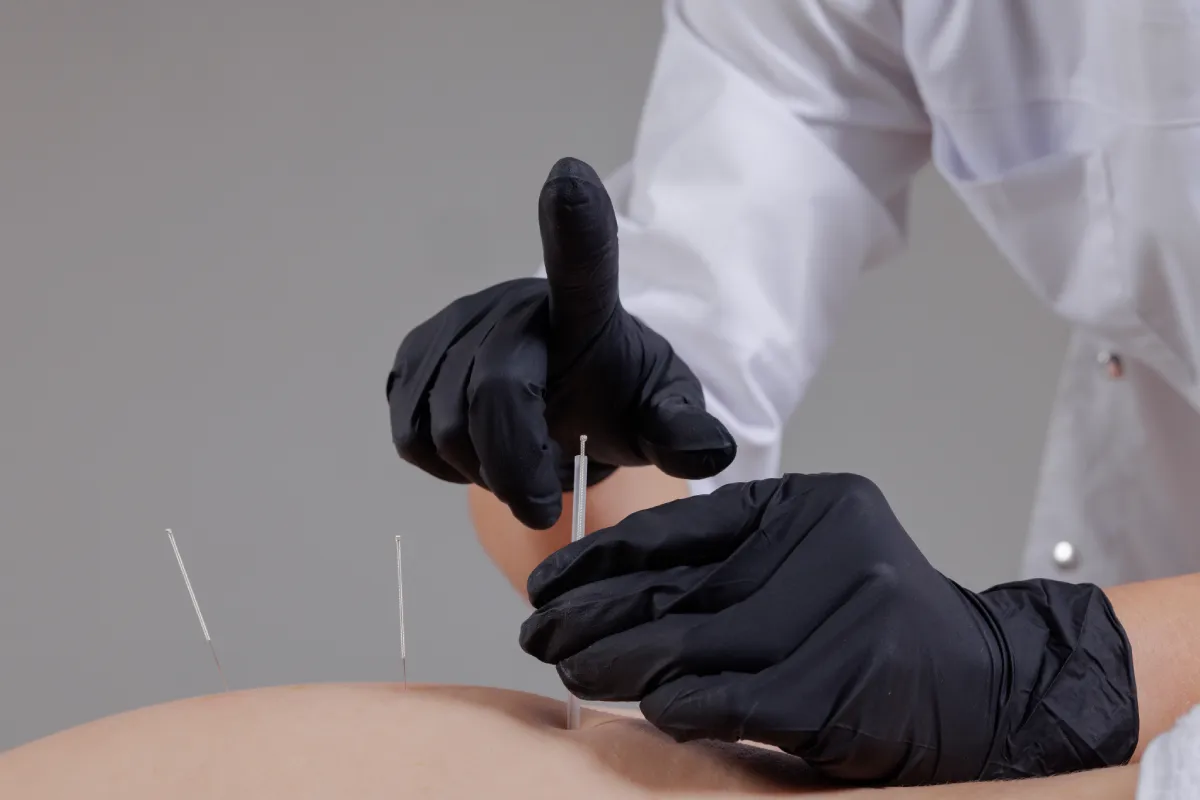
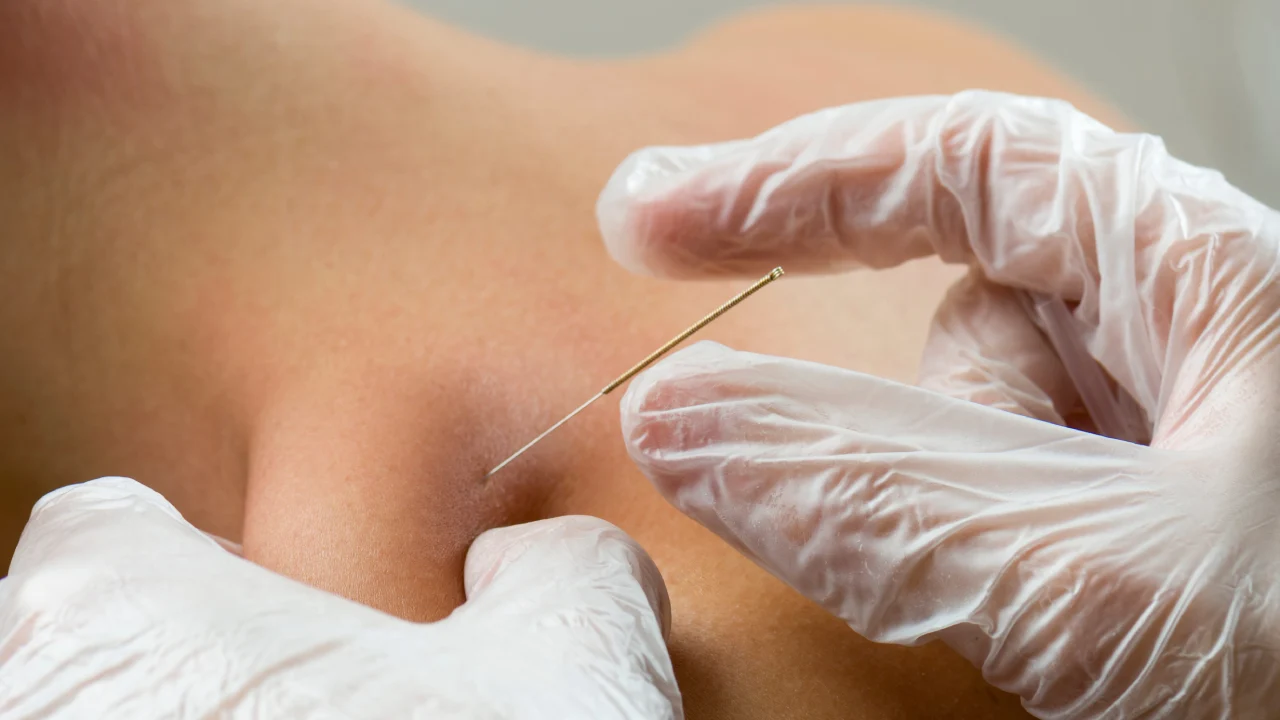
Dry Needling focuses on releasing tight areas within the muscle known as trigger points. These are small knots that can form after strain or overuse.
Using very thin needles, a provider targets these points to help the muscle relax and reset. This process helps:
- Reduce muscle tightness and improve flexibility
- Increase blood flow to the affected area
- Support better oxygen delivery for healing
- Improve overall muscle function
For athletes, this makes advanced therapy for workout recovery more effective because it addresses the underlying tension that slows progress.
Many patients ask, “Does dry needling help with muscle pain?” In many cases, yes. By releasing tension at the source, it can reduce discomfort and help the muscle move more freely again.
When Dry Needling Is Most Effective For Muscle Strain
Timing matters when it comes to using Dry Needling for recovery. It is typically most helpful:
- After the initial acute phase when swelling and sharp pain have settled
- When tightness, stiffness, or limited range of motion remain
- As part of a broader recovery plan that includes rehab exercises
In some cases, additional treatments may be recommended first, especially if the strain is more severe. At Total Musculo Skeletal Care, we often combine personalized dry needling therapy sessions with other approaches to support a more complete recovery.
What Kind Of Results You Can Expect
Recovery with Dry Needling is not instant, but many people notice a change in how the muscle feels relatively quickly.
You may experience:
- Reduced tightness after one or two sessions
- Improved movement and flexibility
- Gradual decrease in pain over time
The number of sessions depends on the severity of the strain and how your body responds. For some athletes, combining systematic dry needling treatment with strengthening and mobility work leads to more consistent progress.
How Dry Needling Compares To Other Recovery Options
There are several ways to manage muscle strain, but not all approaches target the same issue.
Massage and foam rolling can help with surface-level tension, while rest allows the muscle to heal. However, these methods may not fully address deeper trigger points.
Dry Needling goes deeper into the muscle tissue, which can make it a valuable addition when progress feels slow. It is often used alongside:
- Physical therapy exercises
- Stretching routines
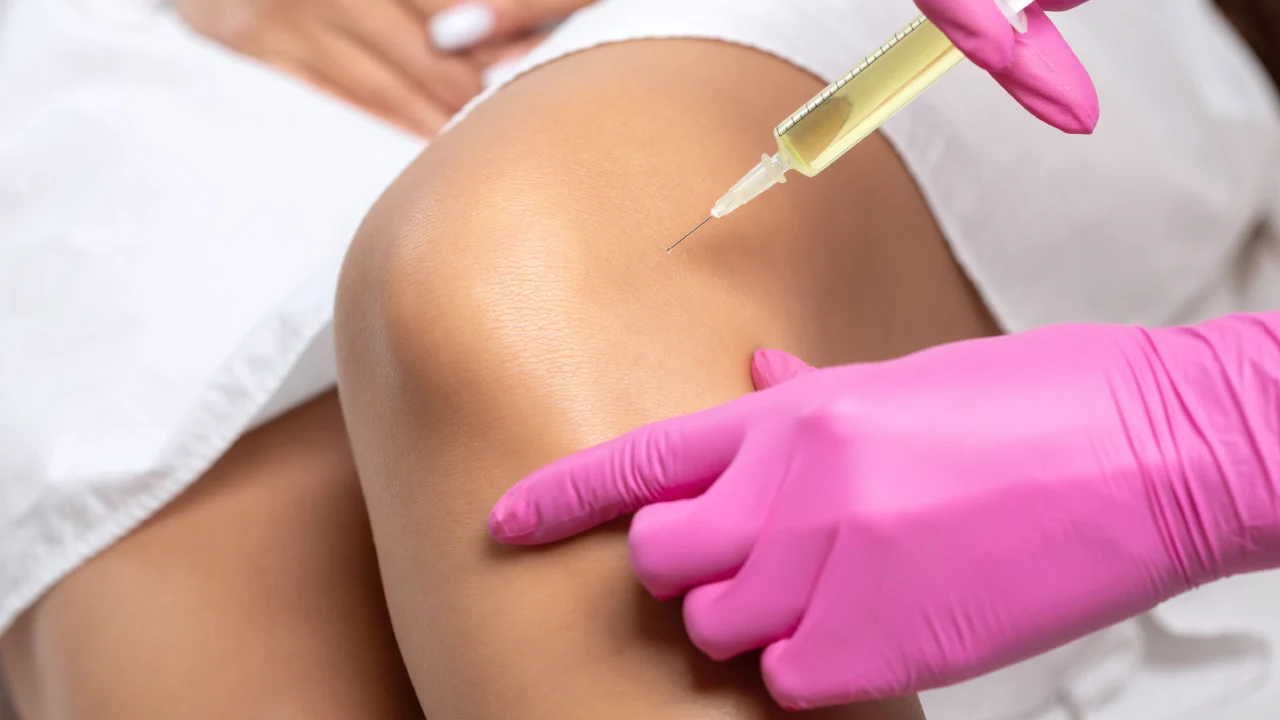
- In some cases, trigger point injection therapy for athletes when additional intervention is needed
A combined approach tends to work best, especially for active individuals trying to return to activity without setbacks.
How To Know If Dry Needling Is Right For Your Injury
Not every muscle strain requires the same treatment, which is why proper evaluation matters. You may benefit from Dry Needling if:
- You have ongoing muscle tightness that is not improving
- Movement feels restricted even after rest
- Pain returns quickly when you resume activity
At Total Musculo Skeletal Care, we provide expert care for muscle tension and stiffness, helping you understand what is contributing to your symptoms and how to address them effectively. If you are unsure about your next step, it is always best to contact us for a personalized evaluation and treatment plan.
Ready To Get Back To Feeling Strong Again
Muscle strains can be frustrating, especially when they disrupt your routine. Even simple movements can start to feel uncomfortable or limiting. Finding the right treatment can make a real difference in how quickly and comfortably you recover.
At Total Musculo Skeletal Care, including our services for trigger point injections in Boca Raton, FL, we focus on identifying what may be slowing your recovery. We then guide you toward the most effective solution based on your needs.
Relieve muscle strain faster. Schedule now. Get back to your workouts with less pain and more confidence.