Skip to content


Table of Contents
Stubborn tendon pain has a way of lingering, even when you rest, scale back workouts, or try to push through it. When conservative care stops delivering relief, a tendon injection may be a practical next step to calm pain and help you move more comfortably again.
At Total Musculoskeletal Care, tendon injections are guided by careful diagnosis and musculoskeletal ultrasound. Because tendon pain is rarely one-size-fits-all, precise evaluation and accurate placement play an important role in choosing the right treatment and setting realistic expectations.
Why Tendon Pain Can Be So Persistent
Tendons connect muscle to bone, and they do a lot of work quietly until they do not. Overuse, changes in training, repetitive motion, or an old injury can irritate a tendon and the surrounding tissues. Sometimes the problem is inflammation around the tendon. Other times, it is more of a degenerative pattern, meaning the tendon needs a different type of support than “just calming it down.”
This is why a thorough evaluation comes first. When the diagnosis is clear, your provider can explain whether an injection is meant to reduce inflammation, help with pain control so rehab becomes easier, or support tissue recovery.
What A Tendon Injection Is And What It Is Not
A tendon injection is not always injected directly into the tendon itself. In many cases, the medication is placed around the tendon, near the inflamed region, or into a tendon sheath when that is the true pain generator. The goal is to treat the irritated tissues while protecting tendon integrity.
Depending on your diagnosis and history, your plan may involve one of the following:
- An anti-inflammatory medication (often a corticosteroid) to reduce an inflammatory flare
- A local anesthetic to provide short-term numbing and confirm the pain source
- Regenerative options like PRP or prolotherapy when the goal is tissue support rather than purely reducing inflammation
Total Musculoskeletal Care commonly uses musculoskeletal ultrasound to evaluate tendon structure and guide injections with accuracy, which helps the provider target the right area and avoid nearby structures.
Your Visit Before The Injection
Most tendon injection appointments begin with a focused evaluation to make sure the right structure is being treated, not just the area where you feel pain.
During this visit, your provider will typically:
- Review your symptoms and activity history, including where the pain is located, what aggravates it, and how long it has been present.
- Perform a targeted physical exam to identify the involved tendon and rule out joint or nerve-related causes.
- Use ultrasound when appropriate to assess tendon structure, inflammation, or surrounding fluid and to confirm the exact treatment target.
- Review medications and medical history, including allergies and conditions like diabetes that may influence injection planning.
If you are coming in specifically for tendon Injections, this step helps you and your provider align on why the injection is recommended and what improvement should realistically look like afterward.
What Happens During The Tendon Injection Procedure
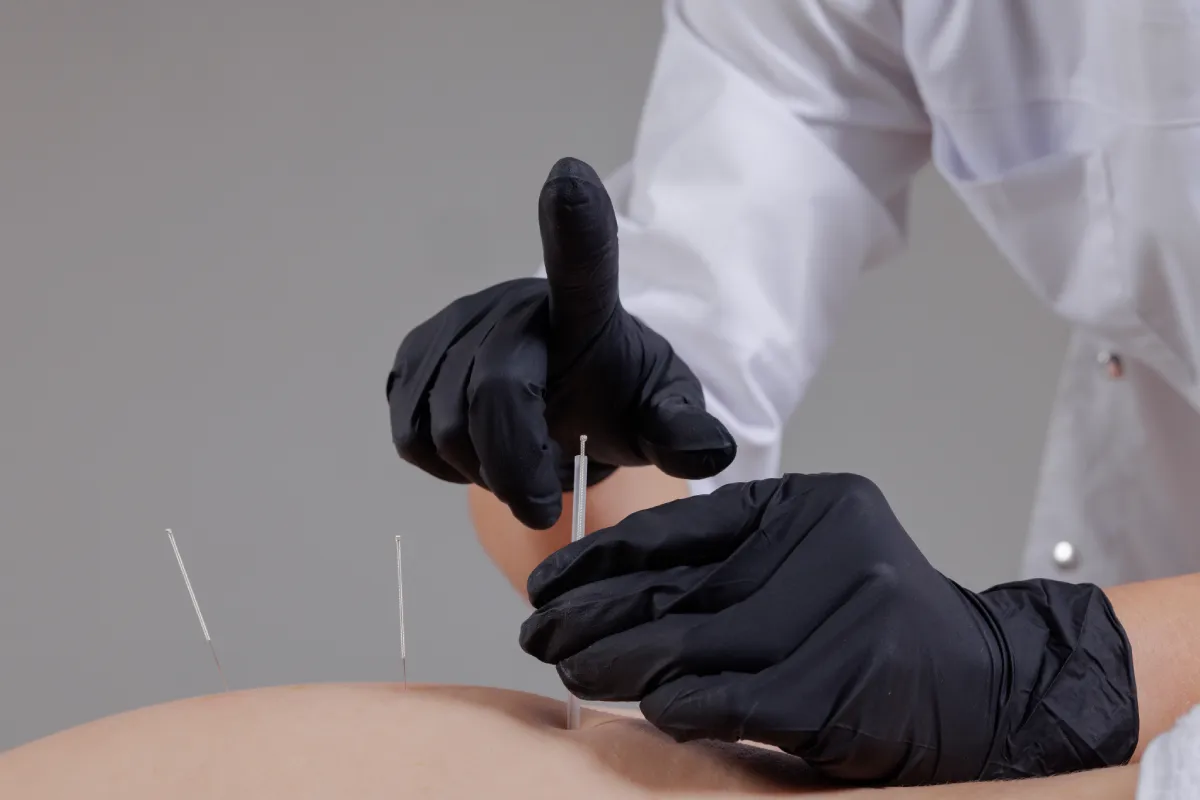
The procedure itself is usually quick and straightforward. You will be positioned comfortably so the tendon is easy to access, and the skin will be cleaned using sterile technique.
If ultrasound guidance is used, your provider will visualize the tendon in real time to confirm accurate needle placement. A brief pinch or sting may be felt if a numbing medication is applied, followed by pressure rather than sharp pain.
Once the needle is correctly positioned, the medication is injected slowly. You may notice temporary pressure or fullness for a few seconds. Afterward, the needle is removed, the area is cleaned, and a small bandage is placed.
For patients receiving an Injection for tendon inflammation, ultrasound guidance helps ensure precise placement around irritated tissue, which can improve comfort and overall effectiveness.
What You Might Feel Right After
What you notice after the injection depends on the medication used.
If a numbing agent was included, you may feel relief for a few hours. Once that wears off, mild soreness or aching at the injection site is common, and some people notice a brief flare that settles within a day or two.
If the injection is intended for Injection for tendon pain relief, the goal is improved day-to-day comfort so you can move more easily and follow your recovery plan, not instant or permanent pain removal.
Recovery And Aftercare That Helps You Get The Most From It
This is the part many patients underestimate. An injection can reduce pain or inflammation, but your tendon still needs the right loading strategy afterward.
Your provider may recommend:
- Avoiding strenuous activity for 24 to 48 hours
- Temporarily modifying movements that load the tendon, like heavy lifting, sprinting, or repetitive overhead work
- Returning to activity gradually, often with physical therapy or a guided strengthening plan
- Using ice for short periods if you feel sore the first day
If you have a physically demanding job or you train regularly, tell your provider. The “best” aftercare plan is the one that fits your real life and still protects the tendon while it settles.
When Do Results Kick In?
Timing depends on the medication and your tendon diagnosis.
If you receive a steroid, it is common for relief to build over several days. This is why some people feel great from the numbing medicine, then sore again, then better later in the week.
If your plan includes a Cortisone injection for tendonitis, your provider may explain how quickly you might notice improvement and how to pair it with rehab so you are not stuck repeating the same cycle.
If you are pursuing tendon healing injections like PRP or prolotherapy, improvement may be more gradual. The goal is often better function over time, supported by progressive strengthening and smart activity changes.
Get Answers And A Plan That Fits Your Life
If you are considering Tendonitis injection treatment or exploring tendon Injections in Boca Raton, FL, Total Musculoskeletal Care can help you get clarity on what is driving your pain and whether an injection, ultrasound-guided care, rehab, or a regenerative option fits your situation best. If you are ready to get a plan that matches your symptoms, your schedule, and your goals, book a consultation so you can talk through next steps with a provider who treats tendon pain every day. Get Started with Tendonitis injection Treatment!